Semi-Rural Living in Far North Queensland: Space, Sustainability and a New Way of Life
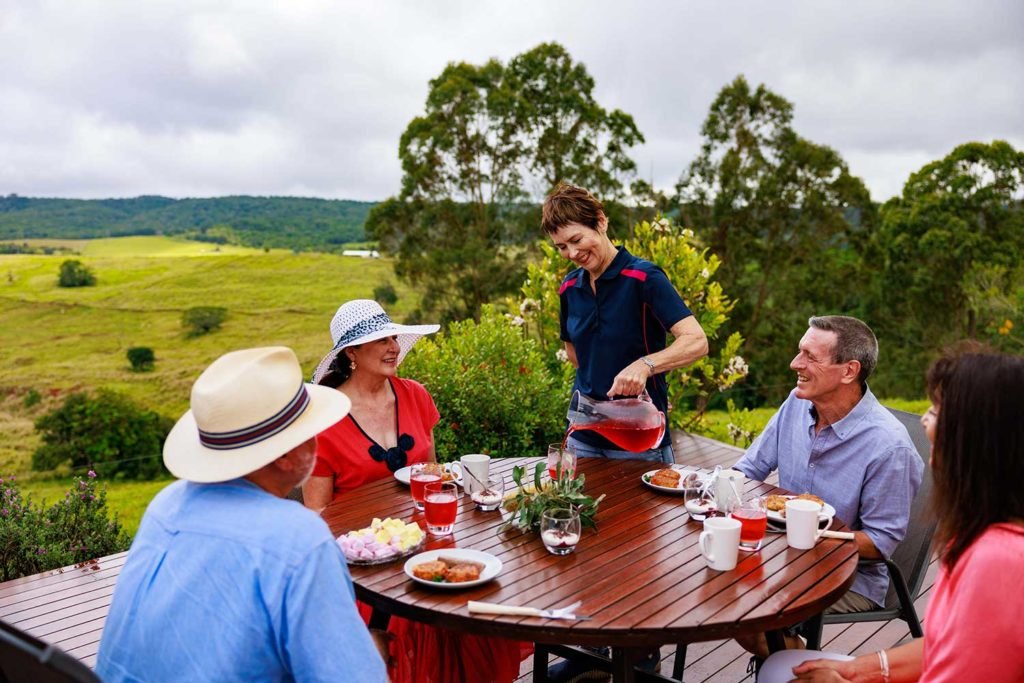
The semi-rural lifestyle — land enough to breathe, close enough to town — has become one of the most sought-after property categories in Far North Queensland. Here's what makes it so compelling in 2026.
Semi-Rural Living in Far North Queensland: Space, Sustainability and a New Way of Life
There is a particular kind of property that defines Far North Queensland at its most liveable: the semi-rural holding. Not quite a farm — though it might produce food. Not quite a suburban home — though it has all the conveniences. It occupies the productive middle ground between town and land, and in 2026, demand for this category of property has never been stronger.
What Semi-Rural Actually Means
In the context of Far North Queensland real estate, "semi-rural" generally refers to residential properties on land parcels of one to twenty hectares — large enough to accommodate animals, a productive garden, orchard, or small-scale growing operation, but close enough to regional towns to remain practically connected to schools, healthcare, shopping, and employment.
This category includes hobby farms, rural residential allotments, small acreage lifestyle properties, and what agents often describe as "lifestyle properties" — a classification that captures the broad intent of buyers who want space and a connection to the land without the full operational commitment of commercial agriculture.
The Atherton Tablelands: FNQ''s Semi-Rural Heartland
No discussion of semi-rural living in Far North Queensland is complete without the Atherton Tablelands. Sitting at an elevation of between 700 and 900 metres above sea level — and just 90 minutes from Cairns — the Tablelands offers a cooler, wetter climate than the tropical coast, fertile red volcanic soils, and a landscape of extraordinary natural beauty.
Towns like Atherton, Mareeba, Herberton, Ravenshoe, and Yungaburra have developed genuine community infrastructure — quality primary and secondary schooling, healthcare services, local commerce — while retaining the pace and character of small regional communities. For families making a deliberate lifestyle choice, this combination is exceptionally difficult to replicate elsewhere in tropical Australia.
Semi-rural properties across the Tablelands — ranging from 2 hectare rural residential lots to productive mixed-use holdings — have seen sustained price appreciation since 2021, consistent with REIQ data for the region. Based on Virtus Estates' active buyer database and recent transaction activity, demand consistently exceeds available supply in the $500,000–$1.2 million range for quality semi-rural holdings.
What Buyers Are Looking For
Conversations with buyers across the FNQ semi-rural market reveal consistent themes. Space and privacy top the list — the ability to open the back door without looking into a neighbour''s living room. The capacity to grow food, whether a vegetable garden, orchard, or small-scale poultry operation, is another high-frequency priority, reflecting broader shifts in attitudes toward food security and self-sufficiency.
Water is a recurring consideration. Properties with reliable water access — bore water, creek frontage, or rainwater harvesting infrastructure — command a premium and tend to be absorbed quickly when listed. In the tropical FNQ context, water availability during the dry season is a genuine practical concern that buyers learn to evaluate carefully.
Connectivity has become non-negotiable. As recently as five years ago, NBN access in semi-rural FNQ was patchy and often inadequate for professional use. The picture has improved substantially, with Starlink satellite internet now filling gaps across properties beyond the NBN fixed-line footprint. For remote workers — who represent a meaningful proportion of the semi-rural buyer market — reliable connectivity is treated as infrastructure on par with power and water.
Sustainability and Self-Sufficiency
The semi-rural lifestyle in tropical North Queensland aligns naturally with sustainable living. The climate supports year-round food production. Rainfall is abundant. Solar energy generation is exceptionally productive. Many buyers are actively designing their property acquisitions around these factors — seeking land with established food production, appropriate solar orientation, and water capture potential.
Small-scale agricultural production — eggs, vegetables, fruit, herbs, and honey — is increasingly common among semi-rural residents, ranging from household self-sufficiency to modest commercial enterprise via farmers'' markets and community food networks that have expanded significantly across the Tablelands and Cairns region.
Buying Semi-Rural in FNQ: Due Diligence Essentials
Semi-rural property purchases involve considerations that do not arise in standard residential conveyancing. Buyers should engage a solicitor with rural property experience and undertake due diligence on zoning and land use overlays, water licences and access rights, vegetation management obligations, biosecurity requirements, and building certifications — particularly for older rural structures.
Working with a real estate agent who specialises in rural and semi-rural property is essential. The nuances of rural property — from understanding soil types to interpreting water entitlement documents — require expertise that generalist agents cannot reliably provide.
References
- Atherton Tablelands Tourism, Regional Profile and Visitor Economy Report 2025, athertonhighlands.com.au
- Real Estate Institute of Queensland, Rural and Lifestyle Property Market Update Q4 2025, reiq.com
- Australian Bureau of Statistics, Regional Housing Data — Queensland 2024–25, abs.gov.au
- Queensland Government, Vegetation Management Framework — Far North Queensland 2025, qld.gov.au
- National Broadband Network Co., Fixed Wireless and Satellite Coverage Maps 2025–26, nbn.com.au
- Queensland Rural and Industry Development Authority (QRIDA), Rural Property Finance Guide 2025, qrida.qld.gov.au
- CoreLogic Australia, Lifestyle and Acreage Property Report — Queensland Q1 2026, corelogic.com.au