Far North Queensland Real Estate Guide 2026: Where Lifestyle and Investment Opportunity Converge
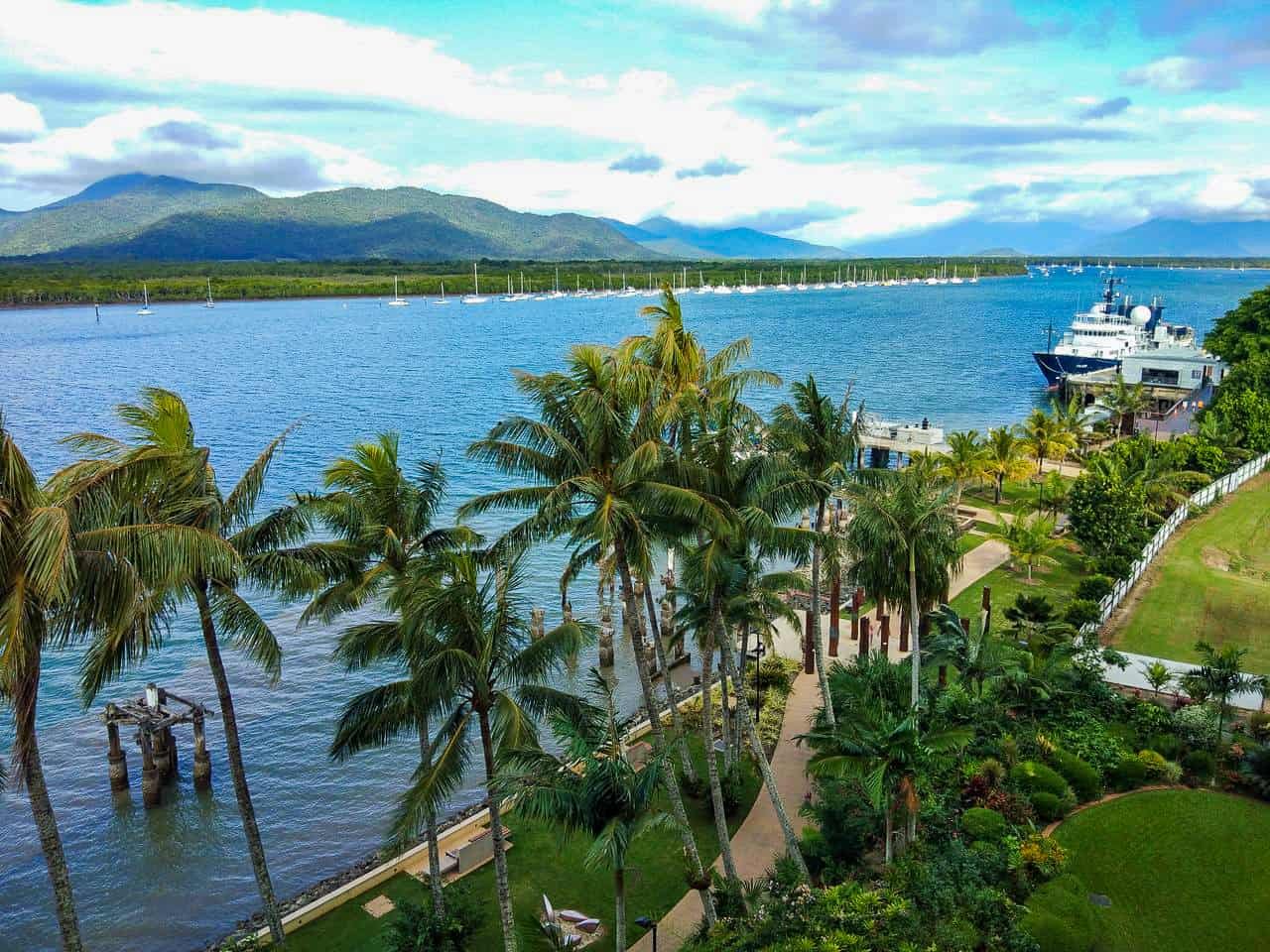
From the rainforest hinterland to the reef-framed coastline, Far North Queensland offers a property market unlike any other in Australia — one where lifestyle, affordability and long-term growth potential intersect.
Far North Queensland Real Estate Guide 2026: Where Lifestyle and Investment Opportunity Converge
Far North Queensland — the vast tropical region stretching from Cardwell in the south to the Cape York Peninsula in the north — occupies a unique position in the Australian property landscape. In 2026, it is simultaneously one of the country''s most undervalued markets and one of its fastest-moving. Understanding why requires more than data. It requires knowing the land.
Understanding the FNQ Property Market: Key Zones
Far North Queensland is not a single market. It is a collection of distinct micro-markets, each with its own demand drivers, buyer profile, and growth trajectory. Buyers and investors who treat the region as monolithic risk missing both opportunities and risks.
Cairns Metropolitan Area
Cairns is the commercial, healthcare, and tourism hub of the region. Its property market is the deepest and most liquid, with the widest range of buyer activity across apartments, houses, and commercial property. According to REIQ quarterly market data, Cairns median house prices have tracked in the $600,000–$700,000 range for the broader metropolitan area across recent reporting periods, with premium coastal and hillside suburbs commanding considerably more. Buyers should verify current REIQ data at the point of purchase as figures shift with each quarterly release.
The Atherton Tablelands
The Tablelands — including Atherton, Mareeba, Kuranda, Malanda, and Yungaburra — represent Far North Queensland''s lifestyle acreage heartland. Farms, hobby properties, rural residential estates, and small agricultural holdings dominate this market. Properties typically range from $400,000 for modest rural residential blocks to well over $2 million for productive farms with water entitlements. Demand has accelerated substantially since 2021, driven by sea-change and tree-change migration.
Port Douglas and the Mossman Corridor
Port Douglas remains Queensland''s most prestigious tropical resort market. Despite — or perhaps because of — its relative exclusivity, property here holds value tenaciously. The Mossman corridor and Douglas Shire hinterland offer an increasingly popular alternative for buyers seeking rural land within commuting distance of Cairns.
Innisfail, Tully and the Wet Tropics Coast
The towns south of Cairns — Innisfail, Tully, and Cardwell — offer some of the most affordable entry points in tropical Queensland. These markets attract buyers priced out of Cairns, retirees seeking low-cost tropical living, and investors targeting high rental yield on modest capital.
What''s Driving Demand in 2026?
Several structural forces are converging to sustain buyer demand across Far North Queensland in 2026.
Population growth through migration: The region continues to attract interstate migrants, particularly from Victoria and New South Wales, drawn by tropical lifestyle, relative affordability, and the normalisation of remote work. ABS data indicates the population of the Cairns LGA grew at above-trend rates through 2024 and 2025.
Infrastructure investment: The $2.5 billion Cairns Hospital expansion, airport upgrades tied to 2032 Olympic legacy planning, and significant road and utilities investment across the Tablelands have all contributed to economic confidence and employment growth.
Tourism recovery: International visitor arrivals to Cairns have rebounded strongly, with the Great Barrier Reef and Daintree Rainforest remaining among Australia''s premier drawcards. This sustains the short-term rental and tourism accommodation market.
Climate and lifestyle: Intangible but powerful — the FNQ lifestyle proposition of year-round warmth, outdoor access, and lower cost of living relative to capital cities continues to resonate with buyers at all life stages.
Buying in FNQ: Practical Considerations
Cyclone and flood risk: Far North Queensland sits within Australia''s most cyclone-active region. Buyers must conduct thorough due diligence on building certifications, insurance availability, and flood overlay mapping before committing to any purchase. A licensed building inspector with local FNQ experience is essential.
Rural property specifics: Purchasing rural land in FNQ involves additional layers of due diligence — water entitlements, soil capability assessments, biosecurity considerations, and zoning compliance. Working with an agent who understands rural property is non-negotiable.
Off-market opportunity: A significant proportion of premium FNQ property — particularly lifestyle acreage and rural holdings — changes hands off-market. Buyers who are not registered with trusted local agents and buyer matching platforms miss a material portion of available stock.
Selling in FNQ: Presentation and Positioning
Property presentation matters enormously in the FNQ market, where buyers are frequently making decisions remotely before visiting in person. High-quality photography, drone footage capturing surroundings and geography, and detailed written descriptions of lifestyle features are essential to capturing strong buyer interest.
Disclosure obligations under Queensland''s revised seller disclosure framework (operative from 2025) have added a layer of pre-contract due diligence for vendors. Sellers are advised to prepare their disclosure materials early in the sales process to avoid delays at the contract stage.
References
- Real Estate Institute of Queensland (REIQ), Regional Market Update — Far North Queensland, Q4 2025, reiq.com
- Australian Bureau of Statistics, Regional Population Growth 2024–25, abs.gov.au
- Cairns Regional Council, Economic Development and Investment Prospectus 2025, cairns.qld.gov.au
- Queensland Government, North Queensland Water Infrastructure Program Update 2026, qld.gov.au
- Tourism Research Australia, International Visitor Survey — Cairns 2025, tra.gov.au
- CoreLogic Australia, Micro-Market Analysis: Far North Queensland, December 2025, corelogic.com.au
- Douglas Shire Council, Community and Economic Profile 2025, douglas.qld.gov.au